A Maker's Review of Doubleline: The Handwritten Font for Your Creative Projects
I was in the middle of designing a new label for my signature lavender candle. The usual, clean fonts I use for my shop name felt… too clean. This product needed something with more personality, something that whispered handmade and warmth right on the glass jar. That’s when I found the Doubleline font. As a crafter, the description immediately resonated: a handwritten font perfect for titles, branding, and merchandise. I downloaded it, opened my design software, and typed out “Calming Lavender.” The transformation was instant. The double-line stroke of this decorative font added a depth and charm I hadn’t achieved with other scripts. It looked less like a typed label and more like a lovingly written note—exactly the feeling I wanted my products to convey. This is my hands-on review after putting Doubleline to work on real projects, from labels and packaging to digital templates.
Doubleline Font Personality: Warm, Decorative Handwritten Charm
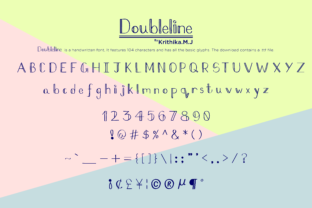
What is the Doubleline font, exactly? It’s a display font with a distinct handwritten personality. The “double-line” aspect gives each character a soft, outlined quality, reminiscent of a relaxed pen sketch or gentle marker stroke. It carries a warmth that’s ideal for projects wanting a human touch. The mood is creative, friendly, and slightly elegant without being overly formal. For makers, this translates to a typeface that can elevate a simple product tag into something that feels special and intentionally designed. Its charm lies in that visual texture; it doesn’t look flat or digital. On a mockup for a wedding invitation, it added an instant layer of personal, artful detail to the couple’s names. As a decorative font, Doubleline shines when you want to create an emotional connection through your design.
Using Doubleline for Product Labels and Boutique Packaging
Testing Doubleline on physical product materials was my first priority. For my candle labels, the font’s weight and style were perfect for the product name itself. It stood out beautifully against a minimalist background, making the label the focal point. I also experimented with using it for small, decorative phrases like “Handmade With Care” on the back. Here’s a practical note: for very small text on tiny stickers or dense informational text (like full ingredient lists), a simpler sans serif font is better for readability. Doubleline is ideal for the main titles, short phrases, and branding elements on your packaging. I paired it with a clean, thin sans serif for the smaller details, creating a balanced, professional look that still felt handmade. This font would also be stunning on boutique tags, tote bag designs, or as a featured word on mug and shirt artwork.
Doubleline for Wedding Invitations and Elegant Branding
The product details mention invitations, and this is a standout use case. When I created a mockup for a wedding welcome sign, Doubleline brought the couple’s names and the word “Welcome” to life. It provided that elegant, custom feel without the cost of actual calligraphy. For a full suite of wedding stationery—invitations, place cards, programs—using Doubleline consistently creates a cohesive brand identity for the event. It’s a font that can serve as the cornerstone of your design theme. For creative businesses, this principle applies directly to shop branding. Using Doubleline for your logo, shop name on social media posts, and featured headings on your website builds strong, recognizable brand consistency. It tells your audience your style is personal, artistic, and quality-focused.
Doubleline in Digital Printables and Social Media Graphics
As a printable creator, I also tested Doubleline on digital products. For a set of printable wall art quotes, the font added an artistic, modern typography element that made the quotes feel unique. In planner pages and sticker sheet designs, it worked wonderfully for headers and decorative titles. For digital downloads, the font’s personality can significantly boost the perceived value and creative appeal of your template. On social media posts—a key use mentioned in the description—Doubleline helps your graphics stand out. A post announcing a new product line with the title in Doubleline immediately draws the eye and reinforces your brand’s handmade aesthetic. It’s a versatile asset for both physical and digital creative work.
Font Pairing and Production Readiness with Doubleline
A crucial step for any maker is ensuring a font works technically for production. Doubleline is a display font, meaning it’s designed for titles and short text. This makes it perfect for cutting machines like Cricut or Silhouette when used for larger wording on signs or stickers. For intricate, small cuts, test a sample first, as the double-line detail might require simpler settings. Always check the font’s included file formats and licensing before selling physical products or digital downloads. Most commercial fonts like Doubleline allow this, but confirming is essential. For pairing, as I did with my labels, combine Doubleline with a simple sans serif or serif font for body text. This creates hierarchy and ensures all information is clear. A bold, solid display font can also complement it well for contrasting elements.
In my testing across candle labels, invitation mockups, and digital art, the Doubleline font proved to be a uniquely charming tool. It fills a specific niche for makers: a handwritten, decorative typeface that adds warmth and artful detail where you need it most. It’s not for every line of text on a project, but for the lines that matter—your product name, your brand logo, your invitation headline—it brings a personality that feels both professional and personally crafted. If your work thrives on that handmade, creative appeal, this font is a compelling design asset to explore.